Understanding the Basics of a Configuratore 3D Pergola
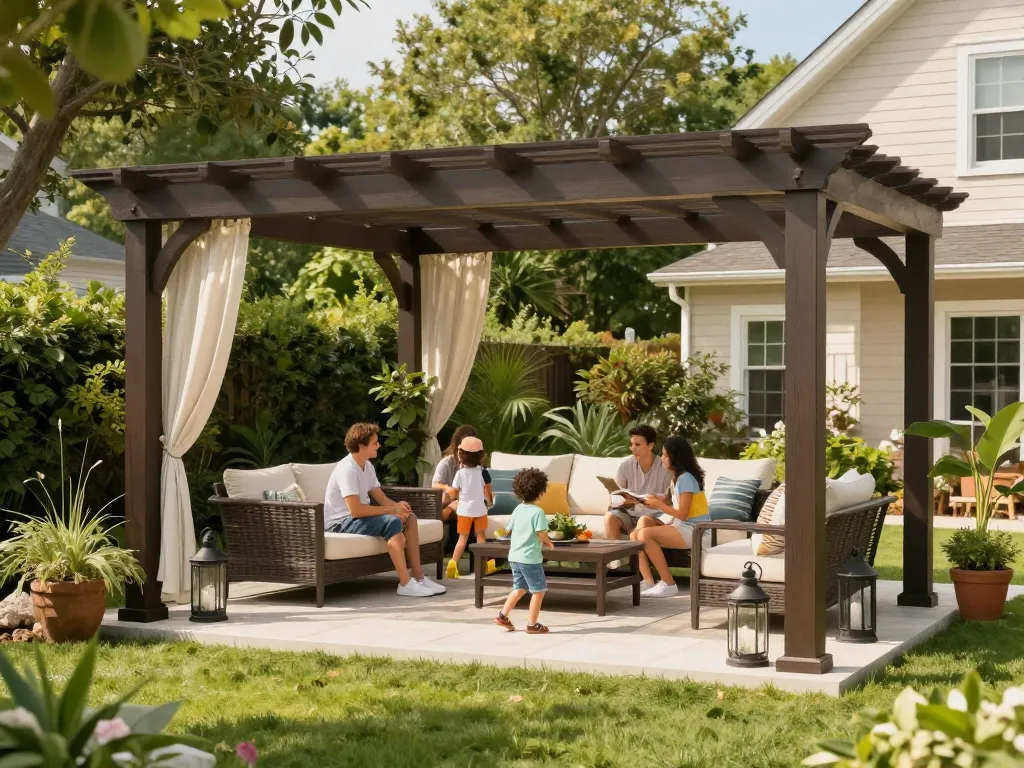
In the realm of outdoor design, the configuratore 3D pergola stands out as a revolutionary tool for homeowners and designers alike. This digital solution allows users to visualize their ideal pergola in a three-dimensional space, ensuring that every element is tailored to their specific needs and preferences. The ability to manipulate dimensions, materials, and styles in real-time not only enhances the design experience but also simplifies decision-making for those looking to add a stunning feature to their outdoor space.
Whether you are a homeowner seeking to enhance your patio or a design professional looking for an innovative tool, exploring options like configuratore 3D pergola provides comprehensive insights into the latest design possibilities.
What is a Configuratore 3D Pergola?
A configuratore 3D pergola is an online or software-based tool that allows users to design and visualize a pergola in three dimensions. By using advanced software, users can select various parameters such as size, shape, color, and materials to create a pergola that fits perfectly within their outdoor spaces. This configurator not only provides a visual representation of the design but also offers functionality options, allowing for a customized experience based on individual preferences.
Benefits of Using a 3D Pergola Configurator
- Enhanced Visualization: Users can see a realistic representation of their pergola, aiding in better decision-making.
- Customization: The configurator allows for limitless design options, ensuring personalization tailored to individual tastes and home architecture.
- Time Efficiency: Designing with a 3D tool can significantly reduce the time spent on back-and-forth discussions with designers or contractors.
- Cost Prediction: Many configurators come with built-in calculators that provide instant cost estimates based on the selected materials and features.
- User-Friendly: Most configurators are designed with ease of use in mind, making them accessible for individuals with minimal technical skills.
Key Features to Look for in a Pergola Configurator
When selecting a 3D pergola configurator, consider the following features:
- Real-Time 3D Visualization: Ensure the configurator offers a dynamic 3D view that updates with your design modifications.
- Material and Color Options: Look for configurators that provide a variety of materials (wood, aluminum, fabric) and color choices to fit your aesthetic.
- User Interface: A clean and intuitive interface can enhance the design experience.
- Cost Calculation: Features that allow you to estimate costs as you configure can be very beneficial.
- Online Access: Choose a configurator that is accessible from any device, allowing for flexibility in design.
How to Choose the Right Design for Your Space
Choosing the right pergola design is essential for achieving a cohesive look in your outdoor space. Factors such as the functionality of the pergola, aesthetics, and the surrounding environment must all be considered.
Factors Influencing Your Pergola Design
- Space Availability: Measure your outdoor area to determine the size and layout of the pergola.
- Intended Use: Consider how you plan to use the pergola—whether for shade, entertaining, or as a garden feature.
- Architectural Style: The design of the pergola should complement your home’s architecture.
- Climate: Weather conditions play an essential role in the materials and design features you choose.
Common Design Options Explained
Here are some popular designs to consider:
- Freestanding Pergolas: These are not attached to any structure and can be placed anywhere in your yard.
- Attached Pergolas: Built against an existing structure like a house, providing easy access and integrated aesthetics.
- Gazebo-Style Pergolas: Offering a more enclosed feel, these designs often include a roof and railing.
- Bioclimatic Pergolas: Designed for environmental sustainability, these come with adjustable slats to control light and air.
Personalization Tips for Your 3D Pergola
Here are some tips to personalize your pergola design:
- Incorporate Lighting: Consider adding ambient lighting for evening use.
- Utilize Plants: Incorporating climbing plants can enhance aesthetics and provide additional shade.
- Include Furniture: Plan for seating or other furniture to make the space functional and inviting.
Step-by-Step Guide to Using a Configuratore 3D Pergola
Using a 3D configurator can be a straightforward process if you follow these steps:
Getting Started with the Configurator Tool
- Select Your Base: Start with choosing the base shape of your pergola.
- Add Dimensions: Input your desired measurements for height, width, and depth.
- Choose Materials: Select materials that suit your aesthetic and functional needs.
- Adjust Features: Modify components like roof style, side panels, and accessories.
- Visualize in 3D: Use the preview feature to see a 3D representation of your design.
Tips for Visualizing Your Design in 3D
To make the most out of the 3D visualization, consider the following tips:
- Rotate the View: Spend time exploring the design from different angles.
- Adjust Lighting: Simulate different lighting conditions to see how your pergola looks at various times of the day.
- Test Color Combinations: Experiment with various colors and materials to find the best match for your home.
Estimating Costs and Budget for Your Pergola
Understanding the financial aspect is crucial. Here’s how to estimate costs:
- Material Costs: Research the average price per square foot of the materials you intend to use.
- Labor Costs: If hiring professionals, obtain quotes from multiple contractors.
- Permitting Fees: Investigate local building codes to see if permits are required for your project.
Common Challenges and Solutions in Designing a Pergola
While designing a pergola can be exciting, challenges can arise. Here are some common issues and their solutions:
Addressing Common User Misconceptions
Many users underestimate the importance of planning. Spending time on design and understanding local regulations can save you from unexpected difficulties later.
Technical Issues You Might Encounter
Common technical issues might include software glitches or difficulties in visualization. Ensure you choose a reliable platform and check for updates regularly to avoid such problems.
Best Practices for a Successful Design
Follow these best practices to ensure your design is successful:
- Consult Professionals: If unsure about design choices, consult with a landscape architect or designer.
- Maintain Flexibility: Be willing to adapt your design based on functionality or budgetary constraints.
- Test Before Committing: Use the configurator to experiment with different designs before finalizing.
Future Trends in Pergola Design for 2026 and Beyond
The world of pergolas is evolving with new trends that focus on innovation and sustainability. Here are some to watch for:
Innovative Features in Modern Pergolas
Modern pergolas are incorporating features like smart technology, which allows users to control lighting and retractable roofs with a smartphone app. These advanced designs not only enhance convenience but also offer energy efficiency, adapting to weather changes automatically.
Sustainability Trends Influencing Outdoor Designs
As the awareness of environmental issues grows, more homeowners are opting for sustainable materials and designs that minimize energy consumption. Bioclimatic pergolas, designed to optimize natural elements, are becoming increasingly popular.
Emerging Technologies in 3D Pergola Configurators
Future advancements in AR and VR technologies are expected to enhance the configurator experience, providing users with an even more immersive design process. This will allow potential buyers to visualize their pergola in their actual outdoor space before making any commitments.
What are the cost factors for a custom pergola?
Custom pergola costs can vary significantly based on materials, size, features, and labor. Understanding these factors can help you budget effectively for your project.
How can I integrate technology into my pergola?
Consider installing features like smart lighting, automated shading systems, and energy-efficient design elements to integrate modern technology into your pergola.
What materials are best for outdoor pergolas?
Popular materials include cedar wood for its natural beauty, aluminum for its durability, and composite materials for low maintenance. The choice depends on your aesthetic preferences and climate conditions.
Do I need permits for building a pergola?
Building permits may be required for pergolas depending on local regulations. It is essential to check with your local authorities to ensure compliance.
How do I maintain my pergola for longevity?
Regular maintenance involves cleaning, sealing, and inspecting for damage. Ensuring that your pergola is treated for weather resistance can significantly extend its lifespan.