
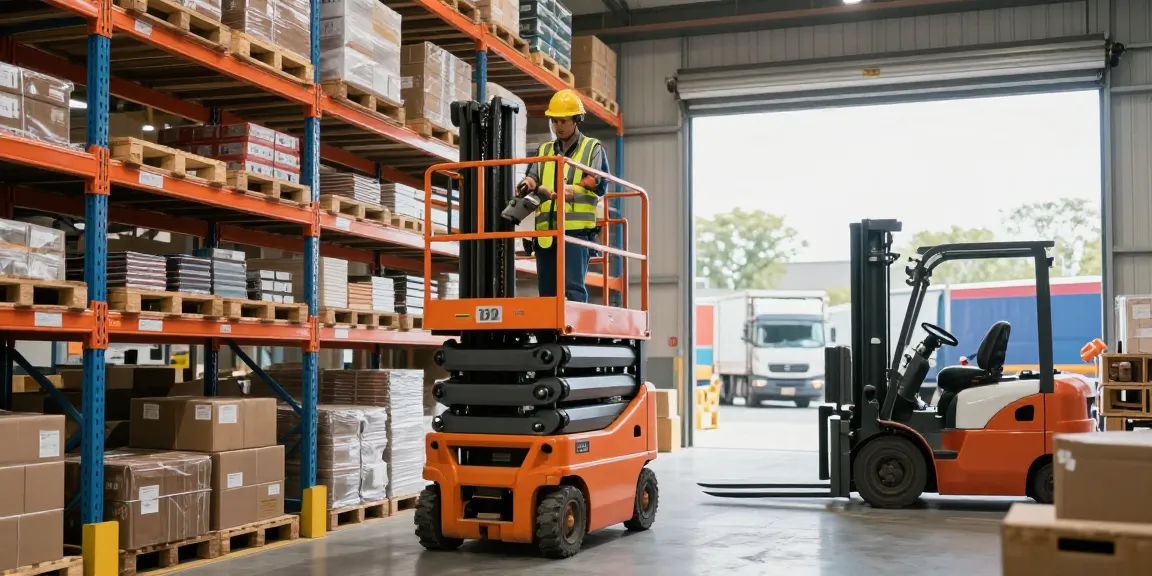
1. Understanding Electric Scissor Lifts
Electric scissor lifts have emerged as essential equipment in various industries, especially in warehousing and construction. These versatile machines provide elevated work platforms, allowing operators to perform tasks at height with stability and efficiency. As we approach 2026, understanding what electric scissor lifts offer is more crucial than ever for businesses aiming to enhance productivity and safety.
What is an Electric Scissor Lift?
An electric scissor lift is a type of aerial work platform that utilizes a crisscrossing support structure (the scissor mechanism) to raise the platform vertically. Unlike traditional lifts that may rely on hydraulic systems or manual effort, electric scissor lifts are powered by electric motors, providing a quieter, cleaner, and more efficient operation. This makes them ideal for indoor use and environments sensitive to emissions, such as warehouses and retail spaces.
Key Benefits of Electric Scissor Lifts in 2026
- Eco-Friendly Operation: With zero emissions, electric scissor lifts comply with environmental regulations, making them suitable for sustainable operations.
- Cost-Effective: Electric lifts generally require less maintenance and have lower energy costs compared to their gas-powered counterparts.
- Enhanced Safety Features: Many models come equipped with advanced safety mechanisms, including automatic braking systems and overload sensors, ensuring a safer working environment.
- Improved Maneuverability: Electric scissor lifts are often designed with compact dimensions, making them ideal for navigating tight spaces within warehouses and construction sites.
Common Applications in Warehousing and Construction
Electric scissor lifts are widely used for a variety of applications in both warehouses and construction sites. In warehouses, they serve essential roles in organizing inventory, reaching high shelves, and maintaining warehouse infrastructure. Meanwhile, in construction, they provide safe access for tasks such as installations, painting, and inspections at elevated heights. When exploring options, electric scissor lift for sale can offer comprehensive insights into available models that suit your operational needs.
2. Choosing the Right Electric Scissor Lift for Sale
Selecting the appropriate electric scissor lift necessitates consideration of various factors, including operational needs, budget constraints, and safety standards. This comprehensive buyer’s guide will assist you in making an informed decision that enhances your operational efficiency.
Capacity and Reach: What to Consider?
The capacity and reach of an electric scissor lift are paramount in ensuring it meets your specific needs. Lifts come with varying weight limits, typically ranging from 300 to 2,000 pounds. It’s vital to assess the maximum weight your lift will need to handle, including the operator and any tools or materials. Additionally, consider the vertical reach required for your tasks. Most models can reach heights between 10 to 50 feet, so choosing one that fits your workspace is critical.
Comparing Models: Features and Specifications
When evaluating different electric scissor lifts, pay attention to the features that matter most. These can include platform size, weight capacity, and specialized enhancements such as automatic leveling systems or extendable platforms. Reading product specifications and reviews from previous buyers can provide insights into which models are most reliable and effective in real-world applications.
Cost Factors and Budgeting for Your Purchase
The cost of electric scissor lifts varies widely based on specifications and capabilities. On average, businesses can expect to pay anywhere from $10,000 to $25,000 for new models, while used equipment may offer more budget-friendly options. It’s essential to factor in not just the upfront cost, but also maintenance, operational costs, and potential financing options when budgeting for your purchase.
3. Safety Features of Electric Scissor Lifts
Safety is a crucial aspect of operating electric scissor lifts, and as regulations evolve, the demand for enhanced safety features is increasing. Understanding these can help safeguard your workforce and ensure compliance.
Essential Safety Standards to Look For
When choosing an electric scissor lift, look for models that meet or exceed safety standards set by occupational safety organizations such as OSHA (Occupational Safety and Health Administration) in the United States. Key features that enhance safety include guardrails, non-slip surfaces, and emergency descent systems that ensure safe operation.
Operator Training and Certification Requirements
Operators must be adequately trained to handle electric scissor lifts. Many organizations require formal training and certification to ensure safe operation. Offering regular training sessions can keep safety standards high and reduce the risk of accidents in the workplace.
Implementing Safety Protocols in Your Workplace
Adopting robust safety protocols is vital for protecting your employees and minimizing workplace accidents. Establish clear guidelines for operation, conduct regular safety drills, and ensure that all staff are familiar with the equipment’s safety features. Regular inspections and maintenance checks should also be mandated to ensure ongoing safety compliance.
4. Maintenance and Care for Electric Scissor Lifts
Proper maintenance is crucial to prolonging the lifespan of electric scissor lifts, ensuring they operate safely and efficiently. Understanding maintenance best practices can help prevent costly repairs and downtime.
Routine Maintenance Best Practices
Regular maintenance checks should be conducted on electric scissor lifts to ensure they function correctly. This includes inspecting battery health, checking hydraulic systems, and testing safety devices. Create a maintenance log to track service dates and any issues that arise, ensuring compliance with manufacturer recommendations and safety standards.
Common Issues and Troubleshooting Tips
Operators may encounter several common issues, such as hydraulic leaks, battery failures, or electrical malfunctions. Training operators on basic troubleshooting techniques can empower them to address minor issues before they escalate, improving overall productivity.
How to Extend the Lifespan of Your Lift
To extend the lifespan of your electric scissor lift, focus on regular maintenance and responsible operation. Avoid overloading the lift beyond its rated capacity, and ensure that it is stored in a dry, clean area to minimize wear and corrosion. Training operators in best practices can also significantly impact the longevity of the equipment.
5. Future Trends in Electric Scissor Lifts
The electric scissor lift industry is continuously evolving, with technological advancements leading to safer, more efficient designs. Keeping up with these trends will benefit businesses looking to enhance their material handling and access solutions.
Advancements in Technology and Design
Emerging technologies are streamlining the design and functionality of electric scissor lifts. Innovations such as smart technology allow for real-time monitoring of equipment status and performance analytics, improving maintenance schedules and operational efficiency.
Environmental Impact and Sustainability in 2026
As industries become increasingly focused on sustainability, electric scissor lifts are positioned as eco-friendly solutions. Future models may incorporate additional green technologies, such as solar cells or advanced battery technologies that reduce energy consumption and environmental impact.
The Future of Automation in Material Handling
Automation is becoming a key focus in many sectors, including material handling. Electric scissor lifts may soon integrate automated features, allowing for remote operation and enhanced safety protocols, thereby reshaping how work is performed at heights.
What are the advantages of electric scissor lifts over traditional lifts?
Electric scissor lifts offer several advantages over traditional hydraulic or manual lifts, including lower operational costs, ease of use, and a reduced carbon footprint due to their electric nature. They are quieter, making them ideal for indoor applications where noise pollution is a concern.
How has technology improved electric scissor lifts in recent years?
Recent technological improvements have led to enhanced safety features, better energy efficiency, and improved lifting capabilities. Advanced control systems provide smoother operation and better load management, while innovations in battery technology offer longer run times.
What should I consider before buying an electric scissor lift?
Before purchasing, consider aspects such as the lift’s capacity, reach, safety features, and your specific operational requirements. Additionally, budget for not only the purchase price but also maintenance and operational costs to ensure a comprehensive assessment of your investment.
Are electric scissor lifts safe for indoor use?
Yes, electric scissor lifts are designed for safe indoor use. They produce no emissions, making them suitable for environments where ventilation may be limited. However, proper training and adherence to safety protocols are essential to mitigate any risks associated with working at heights.
How can I maintain my electric scissor lift for optimal performance?
To maintain optimal performance, follow a regular maintenance schedule, conduct daily inspections, and ensure that operators are trained in safe practices. Keeping the lift clean and stored properly also contributes to its longevity and performance.