
Understanding Stress and Anxiety
Defining Stress and Anxiety
Stress and anxiety are two intertwined yet distinct experiences that impact millions of individuals globally. While stress can be described as a response to an external pressure or demand — often prompting feelings of urgency, tension, and anxiety — anxiety is more of a persistent feeling of unease, worry, or dread that can be triggered by both external and internal factors. Stress usually arises from identifiable triggers, while anxiety can occur without any apparent cause. Understanding these terms is vital for effectively navigating their implications in our lives. It’s essential to recognize how stress and anxiety can severely affect overall well-being.
The Causes Behind Stress and Anxiety
The roots of stress and anxiety often stem from various factors that can be categorized into environmental, biological, and psychological influences. Environmental factors include workplace pressure, family responsibilities, and financial issues, all of which can overwhelm an individual. Biological aspects may involve genetics and the brain’s chemistry, which can predispose certain individuals to anxiety disorders. Additionally, psychological aspects like personality traits, past experiences, and coping mechanisms play a critical role in how stress and anxiety manifest in individuals. This complex interplay of factors necessitates a holistic approach to understanding and managing these conditions.
Identifying Symptoms
Recognizing the symptoms of stress and anxiety is crucial for timely intervention. Symptoms can manifest in several ways, encompassing emotional, physical, and behavioral signs. Emotionally, individuals may experience feelings of irritability, restlessness, or a constant sense of worry. Physically, signs may include headaches, fatigue, digestive issues, and muscle tension. Behaviorally, stress and anxiety can lead to changes in sleep patterns, appetite fluctuations, or even avoidance of certain situations. Awareness of these symptoms can empower individuals to take proactive steps towards managing their well-being.
Impact on Daily Life
Effects of Stress and Anxiety on Physical Health
The toll that stress and anxiety can take on physical health cannot be underestimated. Chronic stress and anxiety have been linked to a range of health issues, including cardiovascular diseases, weakened immune response, gastrointestinal problems, and chronic pain. When the body is under constant stress, it releases an abundance of hormones like cortisol and adrenaline, which can lead to long-term health consequences if not properly managed. Maintaining physical health through coping strategies is vital for alleviating these effects.
Mental Health Consequences
A myriad of mental health challenges can arise from prolonged exposure to stress and anxiety. These conditions can exacerbate feelings of depression, lead to persistent low self-esteem, and may contribute to developing more serious disorders such as generalized anxiety disorder or panic disorder. Mental health and emotional well-being are crucial, and neglecting to address stress and anxiety can foster a cycle of deterioration that affects overall quality of life.
Influence on Relationships and Work
Stress and anxiety can significantly impact interpersonal relationships and overall workplace performance. In personal relationships, increased anxiety may result in miscommunication, conflicts, and withdrawal from loved ones, leading to feelings of isolation. In professional settings, stress can contribute to decreased productivity, absenteeism, and conflicts with coworkers. Therefore, recognizing the signs of stress and anxiety is essential for fostering healthier relationships both at home and in the workplace.
Practical Techniques for Management
Relaxation Techniques and Mindfulness
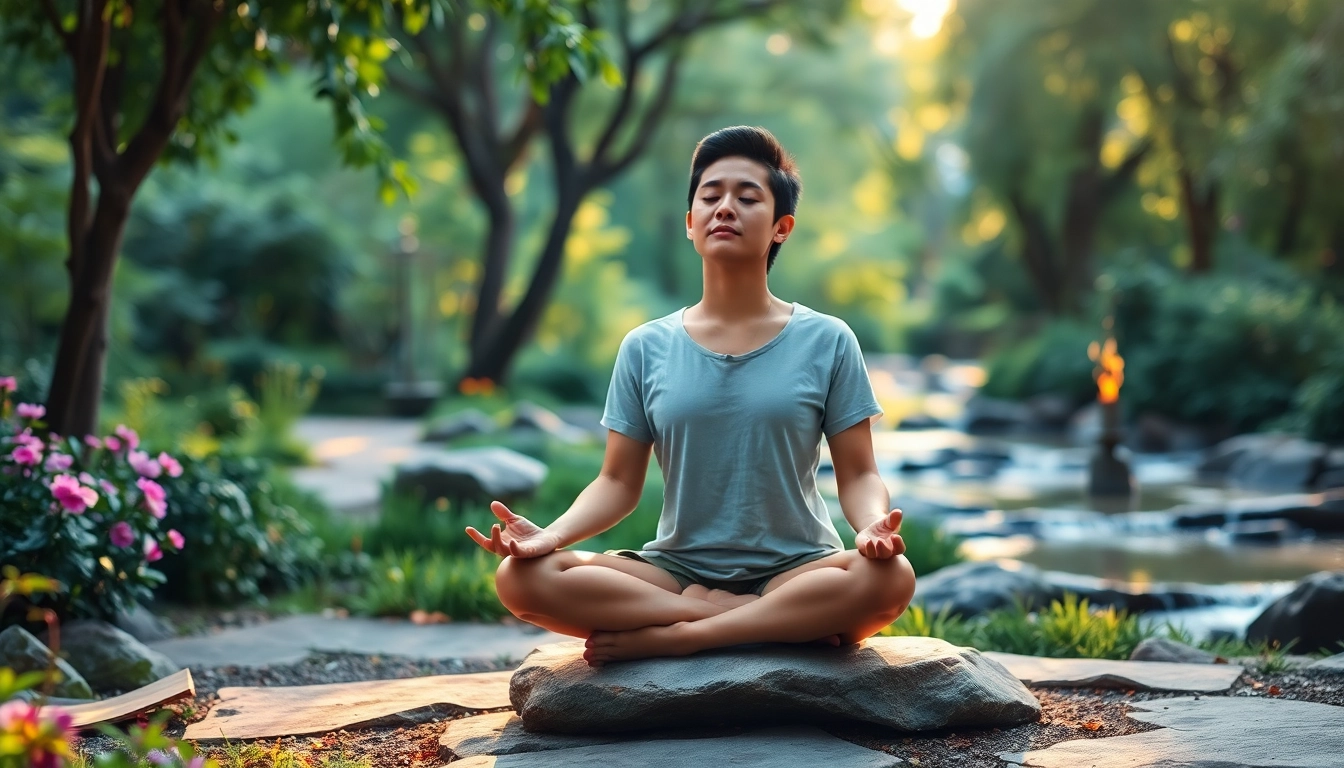
Implementing relaxation techniques, such as deep breathing exercises, progressive muscle relaxation, and mindfulness meditation, can be highly effective in managing stress and anxiety. These practices help promote a sense of calm and allow individuals to focus on the present moment, which can reduce feelings of overwhelm. Regular engagement in mindfulness techniques can also enhance emotional regulation, leading to better coping mechanisms during stressful situations.
Physical Activity and Its Benefits
Regular physical activity serves as one of the most effective natural remedies for combating stress and anxiety. Exercise releases endorphins, also known as “feel-good hormones,” which provide an immediate mood boost. Additionally, engaging in physical activity can improve sleep quality, bolster self-confidence, and create a positive feedback loop of well-being. Research supports incorporating activities like walking, yoga, or team sports into daily routines to achieve maximum benefits.
Nutrition for Mental Well-Being
Nutrition plays a critical role in mental health, and certain dietary choices can contribute to better management of stress and anxiety. A balanced diet rich in whole foods, lean proteins, whole grains, fruits, and vegetables can have a positive impact on brain chemistry. Specific nutrients, such as omega-3 fatty acids, antioxidants, and B vitamins, are particularly beneficial for mental well-being. Moreover, staying hydrated can also enhance cognitive function and emotional stability.
Professional Help and Resources
When to Seek Professional Support
Knowing when to seek professional help is paramount for managing stress and anxiety effectively. If feelings of worry or panic are persistent, if they interfere with daily functioning, or if self-help strategies are not yielding positive results, it may be time to consult a mental health professional. Early intervention can lead to better outcomes and equip individuals with the necessary tools to handle their challenges.
Types of Therapeutic Approaches
Various therapeutic approaches can be utilized to address stress and anxiety, each tailored to individual needs. Cognitive-behavioral therapy (CBT) is particularly effective in helping individuals reframe negative thought patterns. Other approaches may include exposure therapy, which gradually desensitizes individuals to their fears, and mindfulness-based therapies that promote acceptance and mindfulness. It’s important to explore different options to find the most suitable approach for oneself.
Online Resources for Help
The rise of technology has led to an abundance of online resources aimed at providing support for those grappling with stress and anxiety. From teletherapy platforms to mental health apps, individuals now have access to a range of tools and information. Websites offering self-help guides, forums, and webinars can further empower individuals on their journey toward mental well-being. Embracing these resources can bridge the gap between personal struggle and professional support.
Building Long-Term Resilience
Developing Coping Strategies
Long-term strategies for resilience involve creating a comprehensive plan for coping with stress and anxiety. This could include a combination of mindfulness practices, developing time management skills, and fostering a positive self-image through self-affirmation exercises. Building resilience is not just about managing stress when it arises; it involves equipping oneself with tools and strategies to navigate life’s challenges more effectively over time.
Creating a Supportive Environment
Creating a nurturing environment is essential for maintaining mental well-being. Surrounding oneself with positive influences, whether through friends, family, or community groups, can foster a sense of belonging and support. Creating an environment conducive to self-care, such as a designated relaxation space or engaging in activities that bring joy, can significantly buffer against stress and anxiety.
Setting Realistic Goals for Improvement
Setting achievable and realistic goals is crucial for personal development and emotional health. These goals should be specific, measurable, attainable, relevant, and time-bound (SMART). Whether a focus on gradual lifestyle changes, improving work-life balance, or dedicating time for self-care, establishing clear objectives can enhance motivation and provide a sense of direction, contributing to overall resilience against stress and anxiety.
FAQs About Stress and Anxiety
1. What is the difference between stress and anxiety?
Stress is typically a response to an external trigger, while anxiety is a more generalized feeling that may occur without any specific cause. Both can manifest in various ways.
2. How can I recognize symptoms of stress?
Common symptoms include irritability, fatigue, trouble sleeping, and physical symptoms such as headaches or muscle tension. Awareness is key to management.
3. When should I seek professional help for anxiety?
Consider seeking help if anxiety persists, interferes with daily life, or if self-help strategies aren’t effective. Early intervention can improve outcomes.
4. Are relaxation techniques effective for managing stress?
Yes, relaxation techniques such as deep breathing, meditation, and yoga can effectively reduce stress levels and promote emotional well-being.
5. How important is nutrition for managing stress and anxiety?
Nutrition plays a crucial role; a balanced diet can significantly impact mental health, helping to regulate mood and decrease anxiety symptoms.