
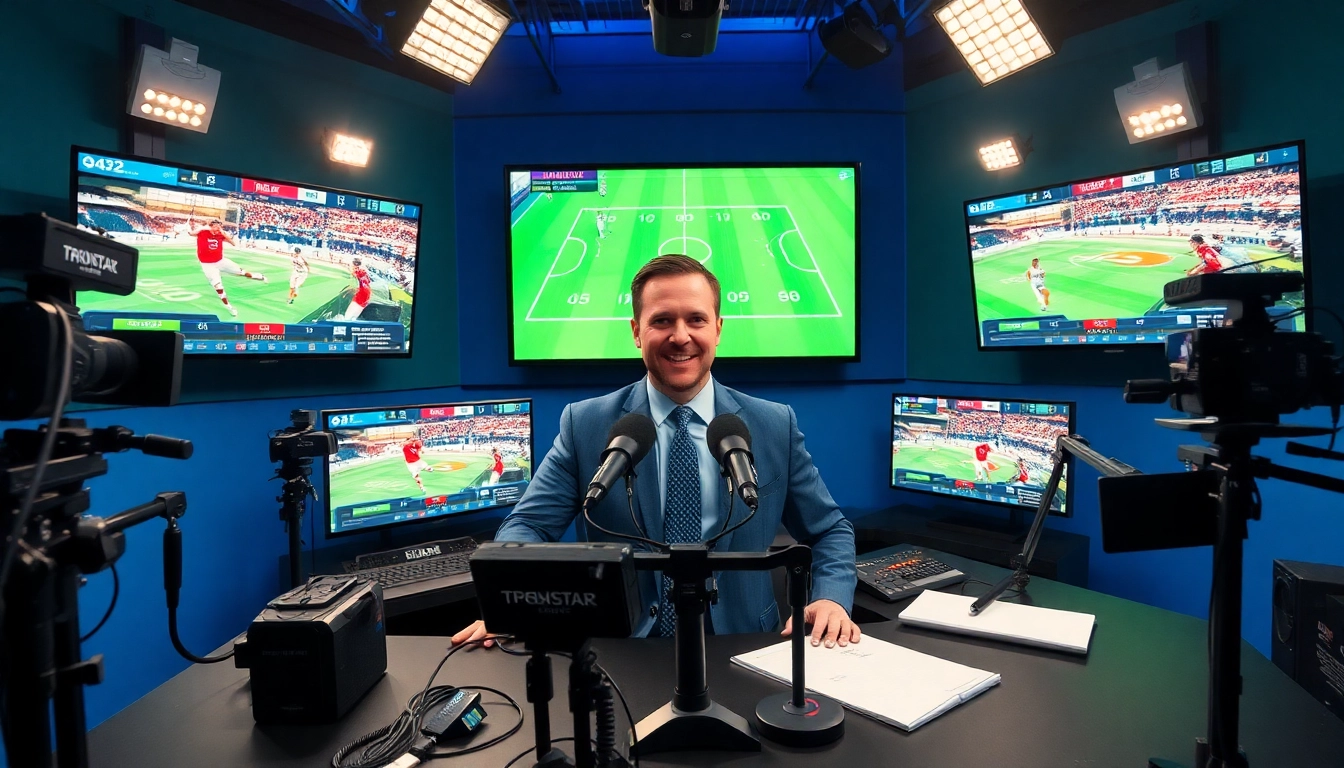
Understanding the Fundamentals of Sports Broadcasting
Defining Sports Broadcasting
Sports broadcasting is the process of delivering sports events via various media platforms, including television, radio, and digital streaming services. This multifaceted industry allows fans to connect with their favorite sports and teams, regardless of physical location. A significant aspect of sports broadcasting is its capacity to engage viewers not only through live events but also through analysis, highlights, and commentary. Different platforms offer varying depths of coverage, making it essential for broadcasters to tailor their content to their audiences’ preferences and habits. The Sports Broadcasting landscape is rapidly evolving with technological advancements, creating new opportunities for interaction and engagement.
The Importance of Live Coverage
Live coverage is the heartbeat of sports broadcasting, providing fans with real-time engagement with their favorite sports events. It offers an adrenaline-pumping experience that pre-recorded programs cannot replicate. The immediacy of live broadcasts allows viewers to feel the thrill of the moment, mirroring the excitement felt by those present at the event. Additionally, live coverage helps to create a community among fans, as they share experiences and reactions in real-time through various channels, including social media. Broadcasters must prioritize maintaining high-quality live coverage, as it serves as a significant draw for viewership and brand loyalty.
Key Roles in Sports Broadcasting
Effective sports broadcasting involves a range of professionals who each play a vital role in the production and delivery of content. Some of the key roles include:
- Play-by-Play Announcer: Responsible for describing the action as it happens, bringing excitement and energy to the broadcast.
- Color Commentator: Provides additional insights, analysis, and context related to the sport, enhancing the audience’s understanding.
- Producer: Oversees the broadcast’s logistics, ensuring smooth operation from start to finish, including timing and ad placements.
- Camera Operators: Capture the event from various angles, providing viewers with dynamic visuals that enhance their viewing experience.
- Sound Engineers: Manage audio quality, ensuring that commentary and ambient sounds blend seamlessly to immerse viewers in the experience.
Essential Equipment for Effective Sports Broadcasting
Broadcasting Technology Overview
The quality of sports broadcasting heavily depends on the technology used in production. Modern equipment enhances both audio and visual elements, creating a more immersive experience for viewers. Key technologies employed in sports broadcasting include:
- High-Definition Cameras: Capture clear and detailed footage during live events, allowing viewers to see every critical moment.
- Drone Cameras: Provide unique aerial perspectives that enhance storytelling and deliver stunning visuals of stadiums and fields.
- Audio Equipment: Incorporates microphones and sound systems that capture commentary and crowd reactions, adding depth to the broadcast.
- Graphics Software: Enriches broadcasts with real-time statistics, player information, and visual storytelling elements.
Studio vs. On-Location Equipment
In sports broadcasting, equipment choices often vary based on whether the broadcast occurs in a studio or on location.
- Studio Equipment: Typically includes stationary cameras, enhanced lighting, and a robust sound system designed for controlled environments. The focus is on delivering polished and professional segments with host interactions and analytics.
- On-Location Equipment: Requires portable cameras, mobile broadcasting units, and flexible sound solutions. The goal is to capture the live atmosphere and energy of events while ensuring reliability and adaptability to changing situations.
Choosing the Right Cameras and Microphones
Selecting the appropriate cameras and microphones is crucial for achieving high-quality broadcasts. When choosing cameras, factors such as resolution, frame rate, low-light performance, and zoom capabilities must be considered. For microphones, directions, type (e.g., shotgun, lavalier), and ambient sound capture are vital to provide clarity and authenticity. Making these selections thoughtfully can dramatically enhance the viewer’s experience and the broadcast’s overall quality.
Crafting Engaging Sports Content
Storytelling Techniques for Broadcasts
Crafting engaging narratives is essential for captivating audiences in sports broadcasting. Utilizing various storytelling techniques can enhance the viewer’s connection to the event:
- Emotional Story Arcs: Building stories around athletes’ backgrounds, challenges, and triumphs can resonate deeply with viewers.
- Visual Storytelling: Incorporating impressive graphics, slow-motion replays, and dynamic footage can help convey the event’s intensity and excitement.
- Expert Insights: Including analyses and opinions from sport analysts can provide depth to the broadcast and engage audiences intellectually.
Incorporating Statistics and Analysis
Statistics and data analysis are core components of sports broadcasting, providing context and insight into the event. By presenting relevant stats—like player performance, team rankings, and historical data—broadcasters can enhance viewers’ understanding and appreciation of the game. Implementing data visuals, such as infographics and real-time updates, can create a more informative viewing experience.
Building Rapport with the Audience
Connecting with the audience remains a crucial aspect of sports broadcasting. Engaging in two-way communication via social media platforms allows broadcasters to gather viewers’ opinions and feedback. Broadcasters can also create a sense of community by addressing fan questions and showcasing user-generated content, fostering an emotional bond between fans and the broadcast team.
Strategies for Successful Live Sports Broadcasting
Preparation and Rehearsal Practices
Preparation is integral to ensuring a successful live broadcast. This involves not only technical rehearsals but also conducting thorough research on teams, players, and current events. Broadcasters should organize pre-production meetings to outline key talking points and potential storylines. Rehearsals allow for fluid communication among team members and prepare them for unexpected challenges.
Real-Time Adjustments During Live Events
Flexibility and quick thinking are crucial during live broadcasts. Being prepared to adapt to unforeseen circumstances—such as injuries, technical difficulties, or changes in game dynamics—can help maintain broadcast quality. This necessitates effective communication among team members, including producers, announcers, and camera operators, to ensure a seamless viewer experience.
Post-Broadcast Analysis and Feedback
After the live broadcast, conducting a thorough analysis is essential for continuous improvement. Gathering feedback from viewers and analyzing metrics like viewership ratings, social media interactions, and audience retention can pinpoint strengths and weaknesses. Analyzing this data can help broadcasters refine their techniques, better tailor content to audience preferences, and plan for future broadcasts.
Measuring Performance in Sports Broadcasting
Key Performance Indicators (KPIs)
Establishing Key Performance Indicators (KPIs) is essential for measuring the effectiveness of sports broadcasts. Common KPIs include:
- Viewership Numbers: The total audience size, indicating the broadcast’s reach and popularity.
- Audience Retention Rates: How well audiences stay engaged throughout the broadcast, affecting overall effectiveness.
- Social Media Engagement: Comments, shares, and likes provide insights into audience reactions and interactions.
- Revenue Metrics: Advertising revenue generated from the broadcast, highlighting its commercial success.
Audience Engagement Metrics
Engagement metrics help gauge how effectively broadcasters connect with their audience, offering insights into viewer satisfaction. These metrics can include:
- Comments and Feedback: Analyzing viewer comments can provide qualitative data regarding audience preferences.
- Social Shares: The frequency of shared content on social platforms can indicate trending topics and viewer interest.
- Polling and Surveys: Conducting viewer surveys can yield actionable data to improve content offerings and viewer experience.
Improving Future Broadcasts Through Data
Utilizing data effectively can lead to continuous improvement in sports broadcasting. By conducting post-broadcast analyses and identifying trends, broadcasters can make informed decisions about content adjustments, equipment upgrades, and audience engagement strategies. Staying responsive to both qualitative and quantitative data enables broadcasters to create compelling content that resonates with viewers.
Frequently Asked Questions
What technology is essential for sports broadcasting?
Essential technology includes high-definition cameras, quality microphones, broadcasting software, and graphics systems for real-time stats and visuals.
How do sports broadcasters engage with their audience?
Broadcasters engage audiences through social media interactions, live polls, user-generated content showcase, and responding to viewer comments.
What are common challenges in live sports broadcasting?
Common challenges include technical difficulties, unexpected event changes, audience engagement levels, and managing time constraints during live broadcasts.
How do broadcasters prepare for live events?
Preparation involves technical rehearsals, research on teams and players, developing key talking points, and conducting pre-production meetings.
What metrics are critical for measuring broadcast success?
Critical metrics include viewers numbers, audience retention rates, social media engagement, and advertising revenue to assess broadcast success.