
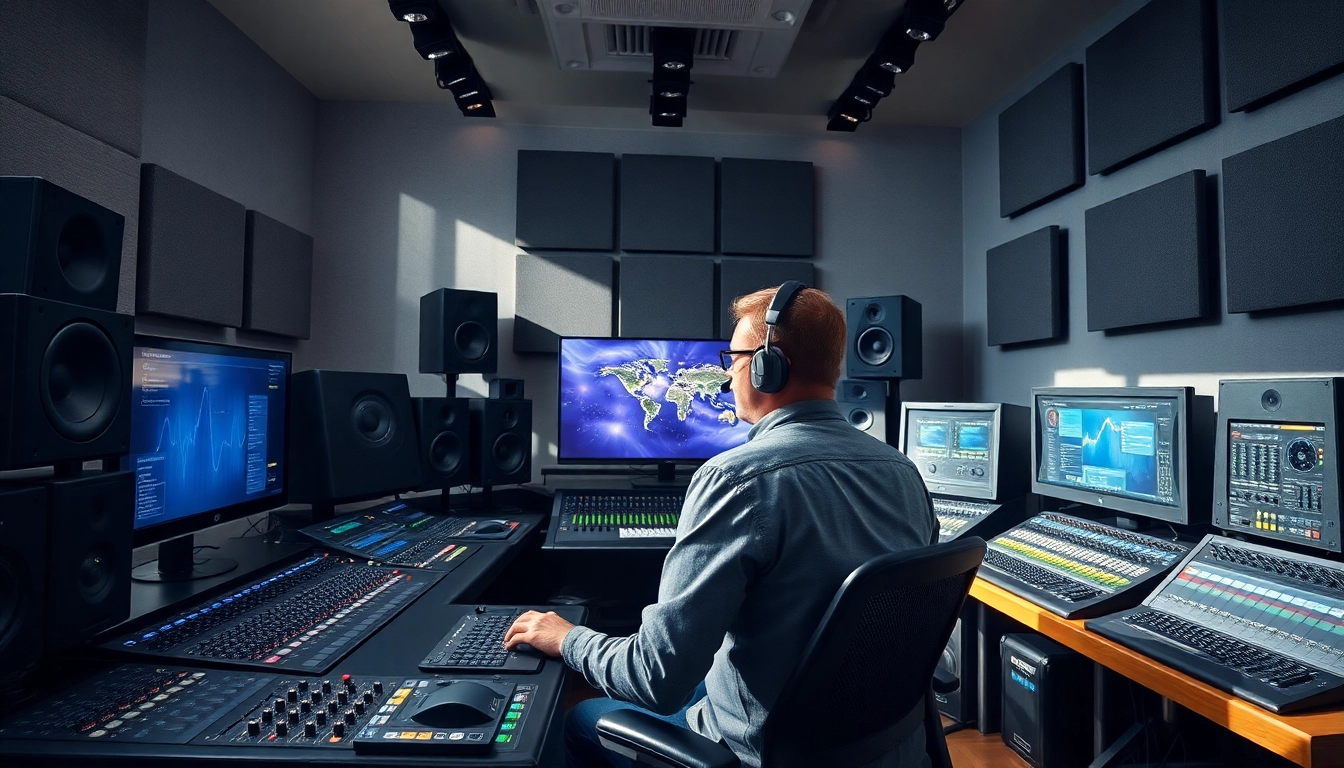
Understanding Online Audio Mastering
What is Online Audio Mastering?
Online audio mastering is the process of preparing and transferring recorded audio from a source to a data storage device. It is the final step in the production of music, ensuring that the audio is polished and ready for distribution. This process involves adjusting levels, equalization, compression, and various effects to elevate the music to a professional standard. With the advancement of technology and the rise of online platforms, mastering can now be done remotely, allowing artists access to global expertise and resources. With services available online, musicians can easily send their tracks for online audio mastering, making it more accessible than ever.
The Importance of Mastering in Music Production
Mastering is crucial in music production for several reasons. First, it serves as the final touch to a recording, ensuring that all tracks sound cohesive and polished when played back on various systems, from high-end speakers to smartphones. Additionally, mastering creates a competitive edge, ensuring that the sound meets industry standards. The process involves making a track louder, ‘gluing’ different elements together sonically, and preparing the music for various formats and platforms. Essentially, mastering is an art form that transforms a mix into a finished product ready for distribution.
How Does Online Audio Mastering Work?
The workflow for online audio mastering typically begins when the artist or producer uploads their final mixed track to the mastering service’s platform. They must then provide specific instructions regarding their desired sound, referencing any tracks they wish to emulate. Once the audio is received, the mastering engineer analyzes the mix, addressing any sonic issues and applying necessary adjustments. After the mastering is complete, a final version is sent back to the client, often in multiple formats for convenience. This method allows for quick turnaround times while still delivering high-quality results.
Benefits of Online Audio Mastering
Cost-Effectiveness Compared to Traditional Mastering
One of the main advantages of online audio mastering is its affordability. Traditional mastering services often come with significant costs due to fees for studio time and high-end equipment. In contrast, online platforms typically have lower operational costs, allowing them to pass these savings onto music creators. This democratizes access to professional sound quality, enabling emerging artists and independent musicians to invest in their work without breaking the bank. Moreover, many online services offer competitive pricing models, including pay-per-track or subscription options, providing flexibility to the artist’s budget.
Convenience and Accessibility for Artists
Online audio mastering presents unmatched convenience for artists. The process can be executed from anywhere with an internet connection, eliminating geographical barriers. Musicians no longer need to travel to a mastering studio; they can transmit their work directly from their home studios. This flexibility is vital, especially for independent artists juggling various responsibilities. Many platforms offer user-friendly interfaces, allowing musicians to easily upload their tracks, choose services, and retrieve their mastered audio without excessive hassle.
Enhanced Sound Quality with Professional Results
Despite being remote, online audio mastering has the potential to deliver professional-grade results. Most online services employ experienced mastering engineers with extensive knowledge of the craft, ensuring that every track is treated with care. The use of advanced audio technology and plugins also adds to the improvement in sound quality. Clients often find that their tracks achieve a discernible depth and clarity compared to their original versions, enhancing the overall listening experience. Many services even provide different mastering styles tailored to specific genres, ensuring that the finished product resonates with the intended audience.
Choosing the Right Online Audio Mastering Service
Evaluating Service Providers
When selecting an online mastering service, evaluation of potential providers is critical. Start by considering their reputation within the music community; look for reviews and testimonials from past clients. Assess each provider’s history and experience in the industry, and ensure they have demonstrated expertise in mastering tracks similar to yours. Word of mouth, social media, and music forums can significantly inform your choice. Familiarity with different genres can also play a vital role, as specialized services may offer additional insights or advantages for your specific music style.
Key Features to Look For
Key features to consider when selecting an online audio mastering service include turnaround time, pricing structures, and options for revisions. A reasonable turnaround time is crucial, especially if you are working with tight deadlines or release schedules. Pricing should be transparent, with no hidden fees, allowing you to understand the full scope of your investment upfront. Additional features, such as preset options for different genres, consultation sessions, and the ability to communicate directly with the mastering engineer, can also increase the value of the service.
Assessing Sample Work and Reviews
Before committing to a service, examining sample work can provide clarity on their quality and style. Most credible platforms will offer demo tracks showcasing their mastering capabilities across various genres. Listening to these samples allows you to assess their skill level and whether their mastering style aligns with your artistic vision. Additionally, reputable providers will often display client feedback and reviews that can offer insights into the overall client experience, service quality, and the effectiveness of the final audio products.
Common Challenges in Online Audio Mastering
Dealing with Audio Quality Issues
Audio quality issues are one of the primary challenges faced in online audio mastering. Sometimes, mixed tracks may have inherent flaws—such as imbalances in levels or unwanted noise—that need to be addressed before mastering can proceed. To mitigate these issues, ensure that you deliver the best possible mix to the mastering service. Provide a detailed description of the desired outcome and be aware of the limitations of the format being submitted. Engaging in a dialogue with the mastering engineer can also lead to better understanding and resolutions for any potential audio flaws.
Understanding and Implementing Feedback
Another common challenge is receiving and acting upon feedback from mastering engineers. Like any creative process, mastering is subjective, and feedback may not always align with your expectations. Maintaining an open line of communication with your engineer is essential, allowing for constructive discussions on revisions and preferred sound characteristics. It helps to have specific references in mind that reflect the sound you want to achieve, which can facilitate a clearer understanding between parties.
Adapting Mastering Styles to Different Genres
Mastering styles can vary significantly across different music genres, making this a challenging aspect of the process. For instance, electronic music may require a dynamic emphasis on bass and rhythm, while acoustic music might benefit from a more natural, organic sound. Choosing an online mastering service that understands these nuances is crucial. When submitting your tracks, communicate your genre clearly and provide stylistic examples. This context can help the mastering engineer utilize appropriate techniques and tools tailored specifically to your music style.
FAQs about Online Audio Mastering
1. What is the typical turnaround time for online audio mastering?
Turnaround times vary by service, but it’s usually between 24 hours to a week, depending on the provider and specific requests.
2. Can I use my home recordings for online audio mastering?
Yes, home recordings can be mastered online, enhancing your audio’s overall quality, even if recorded in a less-than-professional environment.
3. Is online audio mastering suitable for all music genres?
Yes, online audio mastering is adaptable and can be tailored to suit the specific needs of virtually any music genre, ensuring quality across the board.
4. What file formats do I need to upload for online audio mastering?
Common formats include WAV, AIFF, and high-quality MP3s. These ensure optimal results while preserving audio fidelity throughout the mastering process.
5. How do I choose between different online mastering services?
Evaluate based on pricing, reviews from past users, sample work provided, turnaround times, and specific features that align with your mastering needs.